



Indian vs Thai Curry Differences Explained
Explore the Indian vs Thai curry debate, delighting food lovers globally with rich flavours and aromatic spices. However, the term “curry” often creates confusion due to its broad usage in various cultures. In fact, people frequently apply this label to distinct dishes from India, Thailand, Japan, and the Caribbean. Consequently, distinguishing between an Indian curry and a Thai curry becomes essential for culinary enthusiasts. This guide explores the unique histories, ingredients, and characteristics that define these popular cuisines.
The Origins of the Term
A Historical Misunderstanding
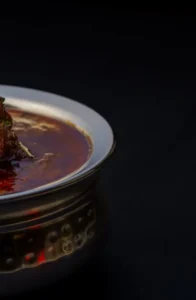 Surprisingly, the word “curry” did not originate in South Asian kitchens. Instead, British colonisers invented the term after misinterpreting the Tamil word “kari.” Originally, “kari” described a specific dish stewed with spicy black pepper. Unfortunately, the British applied this name to any South Asian dish featuring a spicy sauce. Therefore, a vast array of unique regional foods suddenly fell under one generic English label.
Evolution of the Name
Over time, this linguistic misunderstanding spread worldwide. Today, we use “curry” to describe diverse dishes that share little common ground beyond their saucy nature. Nevertheless, understanding this history helps us appreciate the nuances of different culinary traditions.
Indian vs Thai Curry Characteristics
A British Invention
In many ways, “Indian curry” acts as a catch-all phrase for outsiders. Consequently, it lacks specificity regarding the actual dishes it represents. For instance, a fragrant chicken korma differs vastly from a fiery lamb vindaloo. Yet, restaurants often list both simply as curries. Furthermore, some dishes like chicken tikka masala actually originated in the UK, not India.
Spices and Gravy
Typically, Indian curries feature a base of dried spices. Chefs toast these spices to release their oils and aromas. Then, they build the sauce using onions, tomatoes, and yoghurt or cream. As a result, Indian curries often possess a rich, velvety texture. Moreover, diners usually enjoy these dishes with bread like naan or roti.
Moving Beyond the Label
Ideally, food lovers should learn the specific names of traditional dishes. For example, ordering dal or rogan josh shows a deeper appreciation for the cuisine. While the term “curry” serves as a helpful entry point, the true magic lies in the individual recipes.
Thai Curry Defined
The Role of Paste
In contrast to Indian cuisine, Thai curry has a different foundation. Long before Western influence, Thai cooks developed nam prik, a thick, aromatic paste. Eventually, these pastes became the base for dishes called kaeng. Although outsiders labelled these dishes as “curries,” they actually share a distinct culinary lineage.
Fresh Ingredients Rule
Thai curries rely heavily on fresh, wet ingredients rather than dried spices. Chefs pound garlic, ginger, lemongrass, galangal, and chillies into a vibrant paste. Additionally, they often use shrimp paste and kaffir lime leaves for distinctive zest. Consequently, Thai curries boast a brighter, more herbal profile compared to their Indian counterparts.
The Coconut Connection
Another key difference involves the liquid base. Thai recipes frequently use coconut milk to thin the curry paste. This addition creates a soup-like consistency that pairs perfectly with jasmine rice. Therefore, Thai curries often feel lighter and sweeter than the hearty, savoury gravies of India.
Indian vs Thai: Key Differences
Texture and Consistency
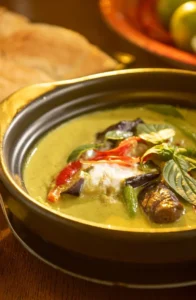 Indian curries often present a thicker, gravy-like consistency due to the use of onions and dairy. Conversely, Thai curries usually remain soupier because of the coconut milk base. This fundamental difference influences how you eat them. You might scoop up Indian curry with bread, but you typically spoon Thai curry over rice.
Flavour Profiles
Indian dishes showcase the warmth of dried spices like cumin, turmeric, and coriander. In comparison, Thai dishes highlight fresh herbs and citrus notes from lemongrass and lime. Thus, Indian food warms the palate, while Thai food refreshes it with zesty heat.
Cultural Context
Ultimately, both cuisines offer incredible depth and variety. While the word “curry” links them linguistically, their roots remain distinct. Exploring these differences allows you to enjoy each meal with greater insight and appreciation. So, next time you order, consider the unique journey of the dish on your plate.