



High Sugar Fruits and Your Health
Many people really love the sweet, refreshing taste of tropical high sugar fruits during the hot and sunny summer months. However, health headlines often warn us about the dangers of consuming too much sugar. You might wonder if the natural sugar in fruit ruins its healthy reputation. After all, experts link excessive sugar intake to heart issues and high blood pressure. Therefore, we must understand how specific fruits like mangoes affect our bodies.
Understanding Mangoes and Sugar
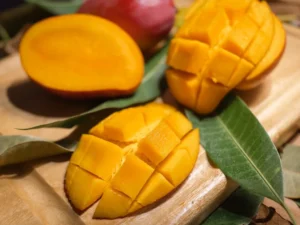 Mangoes often receive criticism for their high sugar content. Indeed, these fruits contain more sugar than many other common options. This occurs primarily because of their large size and specific chemical makeup.
The Ripening Process
As a mango ripens, an interesting change happens inside the fruit. Natural enzymes convert the fruit’s starch into various sugars. These include fructose, glucose, and sucrose. Consequently, the fruit becomes incredibly sweet and attractive to hungry animals. This natural process helps the plant spread its seeds effectively.
Comparing Levels of High Sugar Fruits
We should look at the numbers to understand the situation better. Surprisingly, a single mango contains approximately 46 grams of sugar. This amount actually exceeds the sugar found in a standard can of Pepsi.
Fruit vs Other Snacks
Let us compare this to other popular fruits. A large apple holds about 25 grams of sugar. Meanwhile, a banana contains roughly 15 grams. A medium pear sits in the middle with 17 grams. Therefore, a whole mango does pack a significant sugary punch.
Weight Matters
However, looking at the sugar content by weight changes the picture. If we analyse 100 grams of fruit, mangoes possess 11 grams of sugar. In contrast, black grapes contain 17 grams per 100 grams. Furthermore, lychees and pineapples also rank higher than mangoes on this scale. Dried fruits like dates contain even more, with a massive 63 grams of sugar.
Why Whole Fruit Wins
Despite the high numbers, you should not banish mangoes from your diet. Eating whole fruit differs vastly from drinking sugary fizzy drinks.
The Role of Fibre
Crucially, mangoes contain dietary fibre. This nutrient changes how your body processes sugar. Fibre slows down your metabolism. As a result, your blood sugar does not spike dangerously. Conversely, fizzy drinks and fruit juices lack this essential fibre. Thus, they cause rapid sugar rushes that whole fruits usually prevent.
Nutrient Density
 Moreover, mangoes offer more than just sweetness. They do not rank dangerously high on the glycemic index. Additionally, they provide essential vitamins like vitamin C and potassium. You also get niacin and polyphenols from every slice. These plant compounds act as powerful antioxidants for your body.
Eating High Sugar Fruits Wisely
You can still enjoy fresh mangoes even if you watch your sugar intake. You simply need to manage your portion sizes.
Smart Food Pairings
Try pairing your fruit with other food groups. For instance, eat mango slices with a protein source. Greek yoghurt makes an excellent partner for tropical fruit. The protein helps slow the release of sugar into your bloodstream even further.
Lower Sugar Alternatives
Perhaps you want to reduce your sugar intake strictly. In that case, plenty of delicious alternatives exist. Blueberries, oranges, and peaches all contain less sugar than mangoes. Melons like cantaloupe and watermelon are also great choices. Finally, papayas and guavas offer a tropical taste with lower sugar levels per serving.